Growth: How to be a Person
Have you ever heard the quote from the book with the same name: ‘All I really need to know I learned in kindergarten?” It’s interesting to think about. Do you ever reflect on the lessons from Sesame Street, The Electric Company, and Mr. Rogers’ Neighborhood? These shows and the book all emphasize vital lessons about kindness, inclusivity, and caring for yourself and others. That’s essentially the core message. Yet, considering the state of the world today, I believe many adults have forgotten how to live by these simple human values.
A colleague recently reminded me of two books by Catherine Newman: “How to Be a Person: 65 Hugely Useful, Super-Important Skills to Learn Before You’re Grown Up” and “What Can I Say? A Kid’s Guide to Super-Useful Social Skills to Help You Get Along and Express Yourself.” Both are packed with practical advice on a variety of topics, from tying a tie to managing tough emotions like anger and embarrassment, with tips on apologizing. While targeted at upper-elementary and middle school readers, their fun drawings and examples make them enjoyable for all ages. I recommend keeping these books accessible to anyone interested, and I also found they made me think about how we learn to become adults.
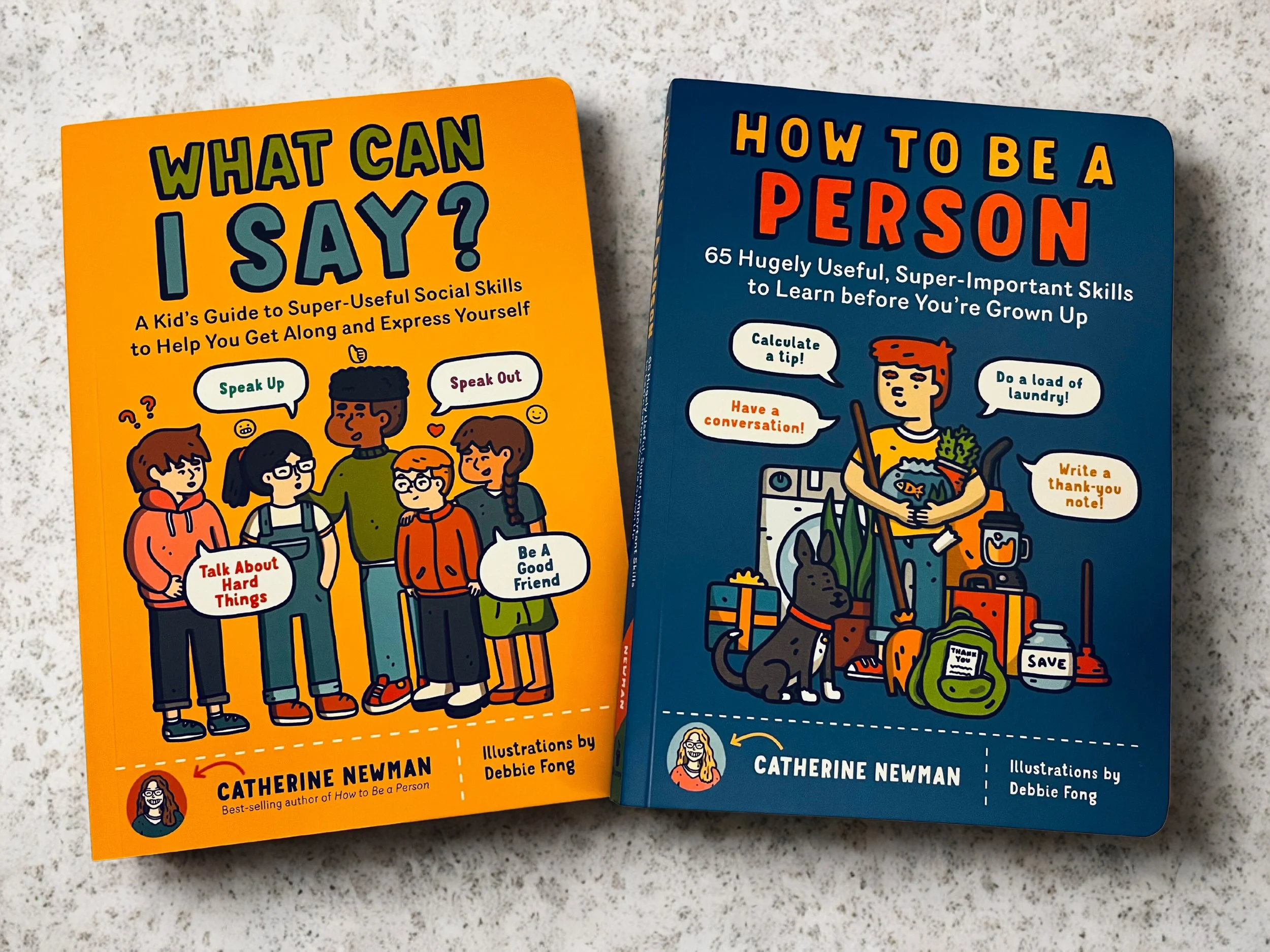
Throughout this reflection, I realize there are some simple lessons we all should remember. Here they are:
Being the best version of yourself:
“You’re never going to be lying on your deathbed wishing you’d been a bigger jerk,” Catherine Newman, in the book “What Can I Say?" I love this line — it’s so true. When we imagine ourselves at 80, do we really think we’ll remember all the arguments we won? Or, more likely, the things we did that truly mattered? Striving to be our best doesn’t mean avoiding disagreements, but it does involve living with respect, compassion, authenticity, and kindness. None of us will do this perfectly, but we can aim for kindness, inclusivity, generosity of spirit, and love for ourselves and others.
Take responsibility and initiative:
I’ve shared this saying before, but it’s worth repeating: "When you point one finger, three point back.” It's usually easy to blame others and focus on what went wrong. The real challenge is recognizing your own role in each situation. There's nothing wrong with analyzing how events unfolded or identifying causes of problems; often, this helps us improve. However, blaming others hinders a crucial growth process: taking responsibility for your actions and life. When you accept responsibility and own the outcome, you regain your inner strength and can guide your next steps. Embracing responsibility when appropriate is a sign of strength, not weakness.
Learn how to let go:
I recently read an article about a nighttime exercise that parents can do with their children to promote better sleep and teach emotional regulation. At the end of the night, the parent asks, “What from today can we leave here, so it doesn’t have to follow you into tomorrow?” This question and release can help reduce emotional holding around difficult feelings, leading to better sleep. It can also stop the mental loop. It isn’t an invitation to re-process it, but to say it’s okay and give permission to release the incident. Clearing emotional residue supports the nervous system, improves sleep, and brings more clarity. With all the troubling news we often see daily, this practice could be beneficial for both adults and kids.
I hope these reminders help bring a little more peace into your life.